Free Consultations 682-936-4003

What Happens if You Die Without a Will in Texas?
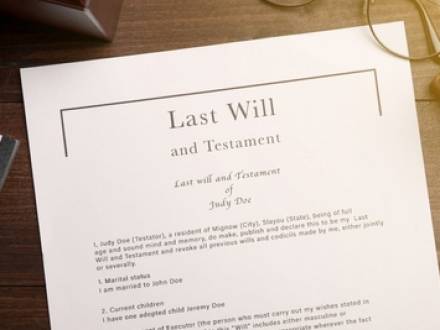 Texas applies intestate succession laws when a person passes away without a valid will. This process follows strict rules that may not reflect your wishes. People delay creating a will for many reasons. Maybe life feels too busy, or planning ahead feels uncomfortable. Others assume their family will be able to sort things out later.
Ultimately, dying without a will can create delays, confusion, and outcomes you may not expect. Our Parker County, TX estate planning lawyer can help you build a will and estate plan to protect your family.
What Does It Mean To Die Without a Will Under Texas Law?
When someone dies without a will, they are considered intestate. This means there is no written plan explaining who should receive property or who should handle the estate. In these cases, Texas law takes control of the process.
The probate court applies statutes from the Texas Estates Code to identify heirs, divide property, and appoint someone to manage the estate. Family members do not get to decide how assets are distributed unless the law allows it.
How Does Texas Law Decide Who Inherits When There Is No Will?
Texas intestate succession laws distribute property based on family relationships, not personal preference. Under Texas Estates Code § 201.001, property is passed to surviving relatives in a specific order. The outcome depends on who survives you at the time of death and how property is classified.
Key factors Texas courts look at include:
- Your marital status at the time of death
- The existence of any children
- Whether those children were shared with your spouse
- Whether parents or siblings survive you
Even small differences in family structure can change who inherits.
What Happens if You Are Married With Children and Have No Will?
If you are married and have children, the result depends on whether all children are also children of your spouse. When all children are shared, the surviving spouse often inherits most or all of the estate. When one or more children are from another relationship, Texas law may divide property between the spouse and the children. This can result in shared ownership of property, including the family home.
These situations often require cooperation between family members who may not have expected to make joint decisions.
What Happens if You Are Married With No Children and No Will?
If you are married and have no children, the surviving spouse usually receives a large share of the estate. However, the spouse may not receive everything. Under Texas Estates Code § 201.002, surviving parents or siblings may still inherit a portion of certain property.
What Happens if You Die Without a Will and Are Not Married?
If you are not married, Texas law distributes your estate to relatives based on the degree of relation. This may include children, parents, siblings, or more distant relatives. If no legal heirs can be located, the estate may eventually pass to the State of Texas, but this is rare.
Who Is Put in Charge of the Estate When There Is No Will?
A will normally names an executor. Without a will, the court must appoint an administrator to handle the estate. Under Texas Estates Code § 301.101, the court gives priority to certain individuals, such as a surviving spouse or close family member. The administrator must follow court rules and may be required to post a bond.
Common responsibilities of an estate administrator include:
- Collecting and protecting estate property
- Paying valid debts and expenses
- Identifying legal heirs
- Distributing assets according to Texas law
This process often takes longer when no will exists.
Schedule a Free Consultation With Our Hood County, TX Estate Planning Attorney
The Law Offices of Rob Christian helps individuals and families create clear estate plans that reflect their goals and wishes. We are available 24 hours a day, seven days a week, to answer questions and provide guidance. If you are ready to plan ahead, call 682-936-4003 to schedule a free consultation with our Parker County, TX estate planning lawyer today.

Contact Us Today
If you want the most experienced, skilled attorneys for your situation, give the team at The Law Offices of Rob Christian a call.
Granbury Office
1405 West Pearl Street, Granbury, Texas 76048
P682-936-4003


Located in Granbury, Texas, The Law Offices of Rob Christian proudly serves clients throughout the area, including Weatherford, Cleburne, Benbrook, Crowley, Burleson, Stephenville, Mineral Wells, Somerville, Glen Rose, Hood County, Parker County, Johnson County, Bosque County, and Erath County.
Results listed are not a guarantee or indication of future case results.
1405 West Pearl Street, Granbury, Texas 76048
682-936-4003