Free Consultations 682-936-4003

Will I Be Convicted of DWI if I Failed the Breath Test in Texas?
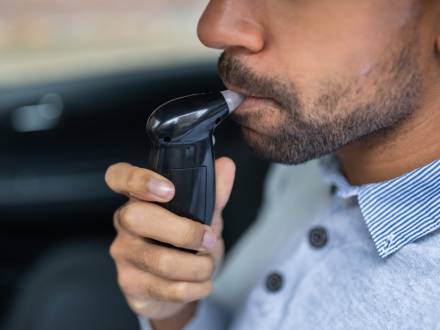
Failing a breath test does not guarantee a DWI conviction in Texas. Even if your results show an alcohol level above the legal limit, prosecutors must still prove that you were driving while intoxicated. Breath test results can also be challenged when there are problems with the equipment or testing process.
If you are facing charges in 2026, our Hood County DWI defense lawyer can review the evidence and help you build your defense strategy.
What Does Texas Have to Prove in a DWI Case?
Under Texas Penal Code § 49.04, driving while intoxicated (DWI) applies when a person is intoxicated while operating a motor vehicle in a public place. Under Texas law, prosecutors can prove intoxication in two ways. They can show that your alcohol concentration was 0.08 or higher. They can also show that alcohol or another substance caused you to lose the normal use of your mental or physical abilities.
A breath result supports the first type of evidence, but it does not guarantee a conviction. Prosecutors must still show that the test result can be used in court and is reliable. They must also show that you were intoxicated when you were driving. Officers usually conduct breath tests after an arrest, so the results reflect your alcohol level at a later time.
How Do Breath Test Machines Work in Texas DWI Cases?
Under Texas Penal Code § 49.01, breath alcohol concentration is measured in grams of alcohol per 210 liters of breath. This measurement can be used to prove intoxication without converting it into a blood alcohol reading.
Texas uses the Intoxilyzer 9000, which measures alcohol using infrared light. The machine is designed to detect alcohol and check for substances that could affect the results. The State requires the instrument to be properly maintained and tested. The person operating it must also have a valid certification.
During a complete test, the machine takes two breath samples. If the results differ by more than 0.020, the machine reports an incomplete test. Your attorney can review the machine's records, test results, and operator's qualifications to check whether the testing followed Texas rules.
What Can Cause an Inaccurate Breath Test Result in Texas?
Breath testing is designed to measure alcohol accurately, but certain problems can affect the results. Possible issues include:
-
Alcohol remaining in your mouth after a recent drink
-
Acid reflux that brings stomach contents into your mouth
-
Alcohol trapped around certain dental appliances
-
Problems with the required waiting period before testing
-
Certain medical conditions that affect breath samples
-
Equipment problems or improper maintenance
-
Mistakes made during the testing process
According to Texas law, the person operating the breathalyzer must remain in your continuous presence for at least 15 minutes before testing. They also have to take reasonable care to prevent anything from entering your mouth.
The officer does not have to watch your mouth constantly. However, failing to follow the required procedure can raise questions about the results. Police video and testing records can help your attorney determine whether these rules were followed.
Can Rising Blood Alcohol Levels Help You Fight a Texas DWI Charge?
Your alcohol level can keep rising after you stop driving because alcohol takes time to enter your bloodstream. For example, you could be below 0.08 while driving but above it when police test you later.
This is called a rising blood alcohol defense. It depends on when you drank, how much you drank, whether you ate, and when the test happened. Receipts, witnesses, and other records can help establish the timeline.
Prosecutors can still use the later test along with other evidence of impairment. A DWI defense attorney can review the timing and determine whether this argument supports your case.
What Other Defenses Can You Use After Failing a Texas DWI Breath Test?
A failed breath test does not prevent you from challenging the stop or arrest. Police need reasonable suspicion to stop you and probable cause to arrest you. Your attorney can review police reports, video, and field sobriety tests for problems. Prosecutors must also prove you operated the vehicle while intoxicated. This can be disputed if police found you asleep in a parked car, for example.
Schedule a Free Consultation With Our Hood County, TX DWI Defense Attorney
Attorney Rob Christian served as the Hood County District Attorney and spent 20 years as a prosecutor. His experience gives him insight into how prosecutors evaluate DWI evidence, including breath test results and police reports. Our firm can review the testing procedures, investigate possible errors, and help you understand your options.
Contact The Law Offices of Rob Christian at 682-936-4003 to talk to our Hood County DWI defense lawyer today.

Contact Us Today
If you want the most experienced, skilled attorneys for your situation, give the team at The Law Offices of Rob Christian a call.
Granbury Office
1405 West Pearl Street, Granbury, Texas 76048
P682-936-4003


Located in Granbury, Texas, The Law Offices of Rob Christian proudly serves clients throughout the area, including Weatherford, Cleburne, Benbrook, Crowley, Burleson, Stephenville, Mineral Wells, Somerville, Glen Rose, Hood County, Parker County, Johnson County, Bosque County, and Erath County.
Results listed are not a guarantee or indication of future case results.
1405 West Pearl Street, Granbury, Texas 76048
682-936-4003